
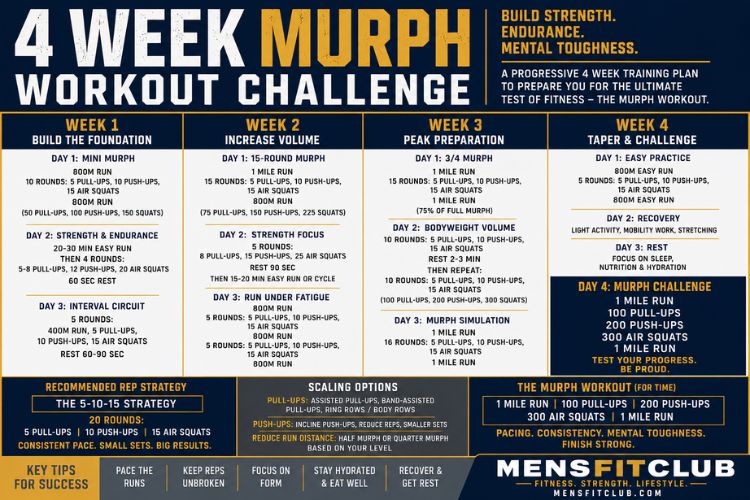
4 Week Murph Workout Challenge A Complete Training Plan
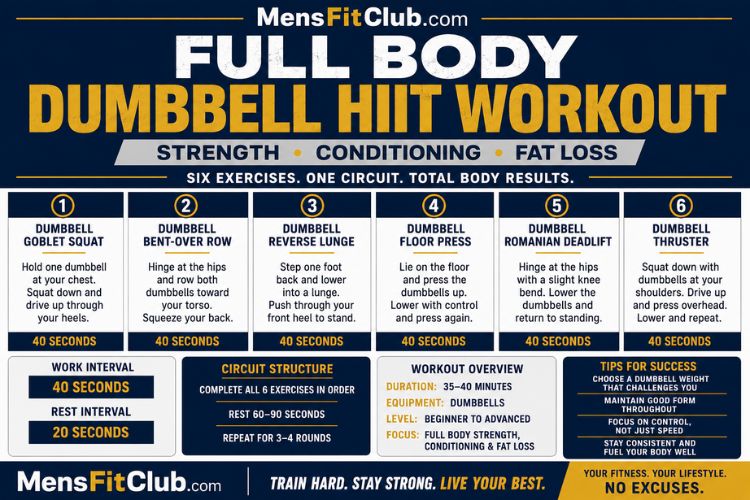
Full Body HIIT Routine With Dumbbells (Build Muscle + Burn Fat)
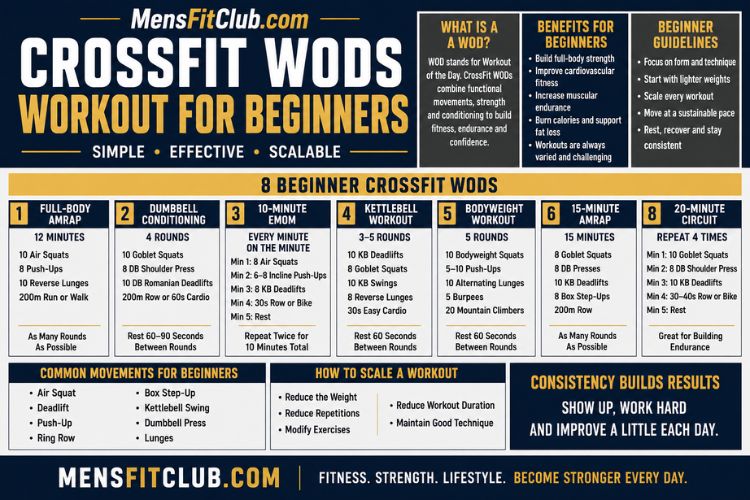
CrossFit WOD Workout for Beginners to Get Started
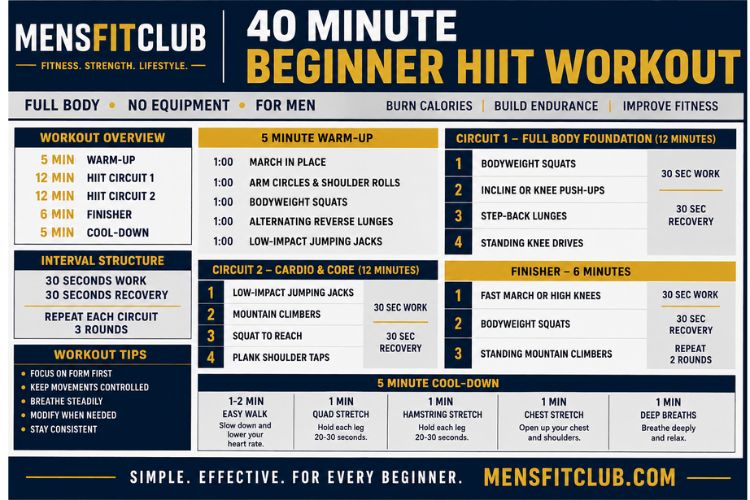
40 Minute Beginner HIIT Workout: Full Body Routine
Complete Protein Foods Unraveling the Power
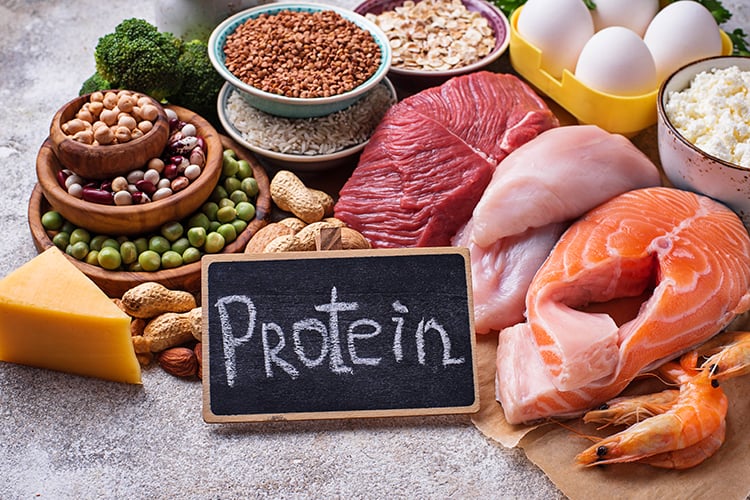
Proteins are the fundamental building blocks of life, vital to every cell in the human body. They play numerous roles, including aiding in muscle growth and repair, supporting a robust immune system, and facilitating various biological reactions. As one of the three macronutrients, proteins are especially crucial in our diets. Not all proteins are created equal, though. The most beneficial source are termed ‘complete proteins.’ Complete PF contain all nine essential amino acids that our bodies cannot produce, hence they must be ingested through the food we eat. This article will shed light on what complete protein foods are, their importance, and various sources to consider in your diet.
Unraveling The Power of Complete Protein Foods
Understanding Complete Proteins
Amino acids, the protein’s building blocks, are classified into essential and non-essential. Our bodies can manufacture non-essential amino acids, but essential amino acids must come from our diet. A complete source contains all nine essential amino acids in adequate amounts: histidine, isoleucine, leucine, lysine, methionine, phenylalanine, threonine, tryptophan, and valine.
Complete source are crucial in the diet because they provide the precise blend of amino acids required to build and repair tissues, generate enzymes and hormones, and support the immune system. Besides, they also contribute to feelings of satiety, aiding in weight management.
Sources of Complete Proteins
While many animal-derived foods are complete source, numerous plant-based foods either are complete source or can be combined to provide all essential amino acids. Here are some key examples.
Animal-Based CP:
Meat: Red meat like beef, pork, and lamb are rich in complete source and essential nutrients like iron and vitamin B12. However, they should be consumed in moderation due to their saturated fat content.
Poultry: Chicken and turkey are excellent complete protein sources. They are also low in saturated fat, especially when the skin is removed.
Fish: Fish, especially fatty fish like salmon and mackerel, are not only rich in complete source but also packed with heart-healthy omega-3 fatty acids.
Dairy Products: Milk, cheese, and yogurt are complete proteins. They also provide calcium, critical for bone health.
Eggs: Eggs are one of the most nutritious foods available, providing complete source and a wide range of essential nutrients.
Plant-Based Complete Proteins:
Quinoa: This ancient grain is a rare plant-based complete source, providing all essential amino acids.
Soy: Soy-based foods such as tofu, tempeh, and edamame are complete source and offer a high-protein alternative to meat.
Buckwheat: Despite its name, buckwheat is not related to wheat and is gluten-free. It is a complete protein and can be eaten in many forms, including noodles and pancakes.
Chia Seeds: These small seeds are complete source and are also rich in fiber and omega-3 fatty acids.
Spirulina: This blue-green algae is a powerhouse of nutrition, offering a complete protein profile and numerous other nutrients.
Complementary Proteins:
For those following a plant-based diet, it’s also possible to get all essential amino acids by consuming complementary proteins—different plant-based foods that, when eaten together, provide a complete amino acid profile. For example, beans and rice or peanut butter and whole-grain bread are combinations that provide all essential amino acids.
Health And Wellness
Including complete proteins in your diet is paramount for overall health and wellness. Whether you’re an omnivore, vegetarian, or vegan, there are a myriad of delicious and nutritious complete protein foods to incorporate into your meals. Remember, balance is key. Vary your protein sources to ensure you get a broad range of nutrients and maintain a well-rounded, healthful diet. If you have specific dietary requirements or health concerns, always consult a healthcare professional or a dietitian to create the most appropriate and balanced diet for your needs. Achieving optimal health is not merely about one nutrient but rather a symphony of nutrients working together in harmony.


Most Recommended

Subscribe to our Newsletter
Stay up to date on the latest men’s health, fitness and lifestyle trends and tips.
About Us
Men’s Fit Club was started with the goal of empowering men to get the most out of their lives. This meant going beyond exercise and diet tips to really address the broad range of issues that men face on a daily basis – topics like recreation, finding love, sexual health and even sound fashion advice.
Quick Links
© COPYRIGHT MEN'S FIT CLUB 2026. All Rights Reserved